You get home tired, the car is full of damp gear, and the easy option is to throw everything in the garage and deal with it later. Later is when mildew sets in. The single best habit for making outdoor gear last is drying it properly within a day of getting home, and it is far less work than it sounds if you have a routine and a place to do it.
Triage at the door
Before anything goes into storage, empty the car into one spot, ideally a garage floor, a covered porch or a bathroom with a fan. Open every bag. Wet gear hides inside dry gear, and a single damp sock in a pack pocket can make the whole pack smell by next weekend.
Sort into three piles: soaked (tent fly, rain shell, boots after a creek crossing), damp (sleeping bag that absorbed condensation, base layers, pack straps) and dry. The soaked pile gets attention first; the dry pile can go straight back to its shelf or bin.
Tents and tarps
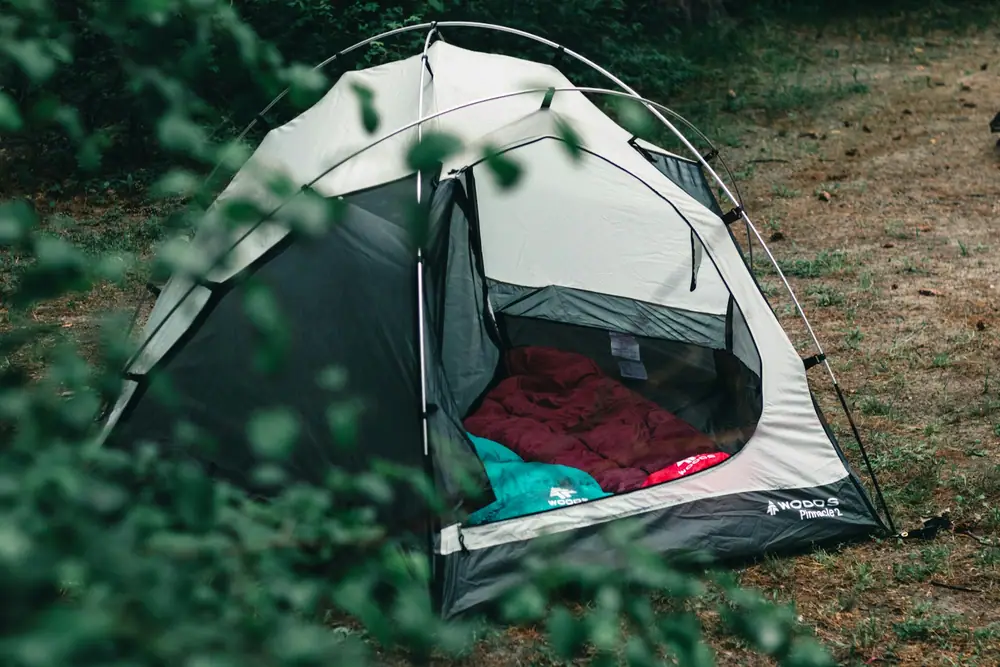
Tents are the item most often ruined by poor drying, because they are packed wet at camp by necessity and then forgotten. As soon as you can, pitch the tent in the yard or hang the fly and body separately over a line, a railing or the backs of chairs. Turn the fly inside out partway through so both faces dry.
Pay attention to seams, corners and the bag itself. The stuff sack is often the last thing to dry and the first place mildew shows up. If you cannot set up outside, hang the tent in a garage with the door open and a fan running. It is ready to pack only when every part feels dry to the back of your hand, not just cool.
Shake out sand, pine needles and grit before drying. Debris holds moisture against the fabric and wears coatings when the tent is folded.
Boots and shoes
Pull the insoles and loosen the laces all the way so the tongue opens wide. Stuff each boot loosely with newspaper or paper towels, replacing them after an hour or two once they are wet. Stand boots somewhere with moving air, at room temperature.
Avoid direct heat. Radiators, heaters, fireplaces and hair dryers on high can crack leather, weaken adhesives and shrink synthetics. Boot dryers that use gentle warm air are a different story, and many people find them helpful; follow the boot maker's advice if you are unsure. Treat leather with a suitable conditioner once it is dry, not before.
Dry to the touch is not dry. Seams, cuffs and stuff sacks are always last to give up their water.
Sleeping bags and insulated layers
Down and synthetic insulation both need to dry completely before storage, and both dry best lofted. Unzip the sleeping bag fully and drape it over a clothes airer or a line in the shade, turning it every few hours. Direct sun can dry it faster but prolonged UV exposure is hard on nylon shells, so keep sun sessions short.
If a down bag or jacket got truly soaked, a low-heat tumble dryer run with a few clean tennis balls or dryer balls helps break up clumps. Check the care label first and be patient: a thorough dry can take several cycles.
Packs, straps and gloves
Empty the pack completely, open every pocket and hang it upside down so water drains from the base. Wipe the back panel and hip belt, which absorb sweat. Gloves and mitts dry faster if you turn liners out where the design allows, and hang them fingers-down on a pegboard hook or clothes pin.
Helmets, pads and shin guards collect sweat on every outing, not just rainy ones. Pull out removable pads, wipe the shell and let everything air out on open hooks rather than in a closed bag.
Build a drying station
A permanent drying station removes the decision each time. It does not need to be fancy:
- A retractable clothesline or ceiling rack in the garage or laundry room.
- Four or five pegboard hooks reserved for gloves, hats and helmets.
- A boot tray with a rack so water drains away from soles.
- A small fan, and a dehumidifier if your space runs damp.
- A bin of old newspaper and a few towels.
| Item | Method | Avoid |
|---|---|---|
| Tent and fly | Pitch or hang separately, turn inside out | Packing while seams are damp |
| Leather boots | Insoles out, paper stuffing, room temperature | Radiators and high heat |
| Down bag | Lofted on a rack, low tumble if soaked | Long sun exposure, compression while damp |
| Pack | Empty, pockets open, upside down | Leaving it zipped in the car |
| Gloves and pads | Hooks with airflow, liners out | Closed sports bags |
Only then, store it
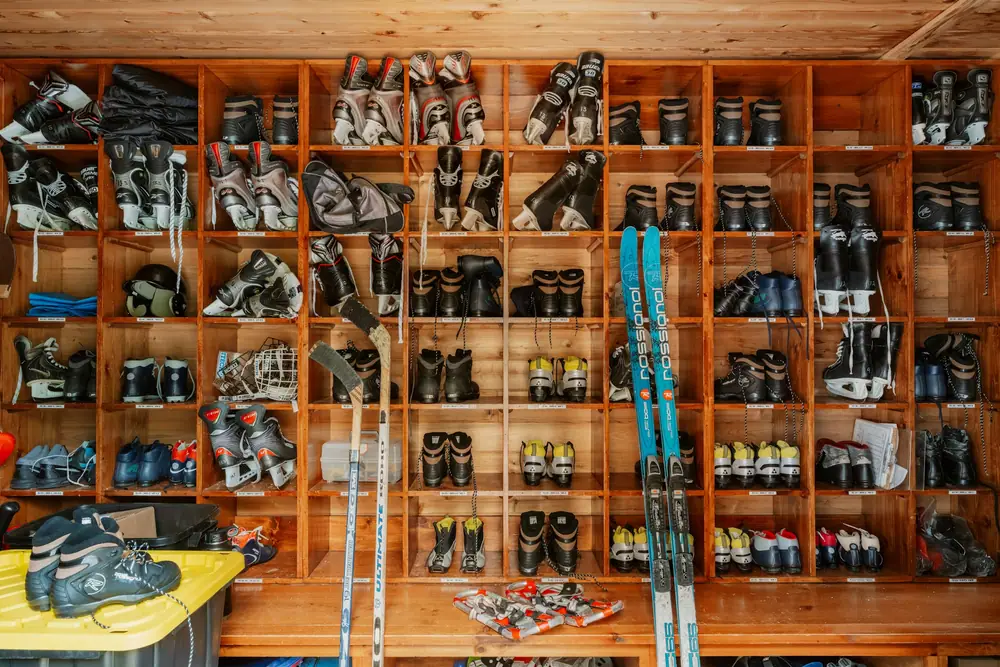
Once everything is fully dry, return it to its home: tents loosely in a bin or large sack, sleeping bags in a breathable storage sack, boots on an open rack. If you use a seasonal rotation, this is also the moment to note any repairs. A five-minute check now saves a scramble before the next trip. For more on where each item lives long-term, see our seasonal bin rotation guide.
Give this gear a proper home
Six storage plans with materials lists, step timelines and printable checklists.
See the plans