Overview
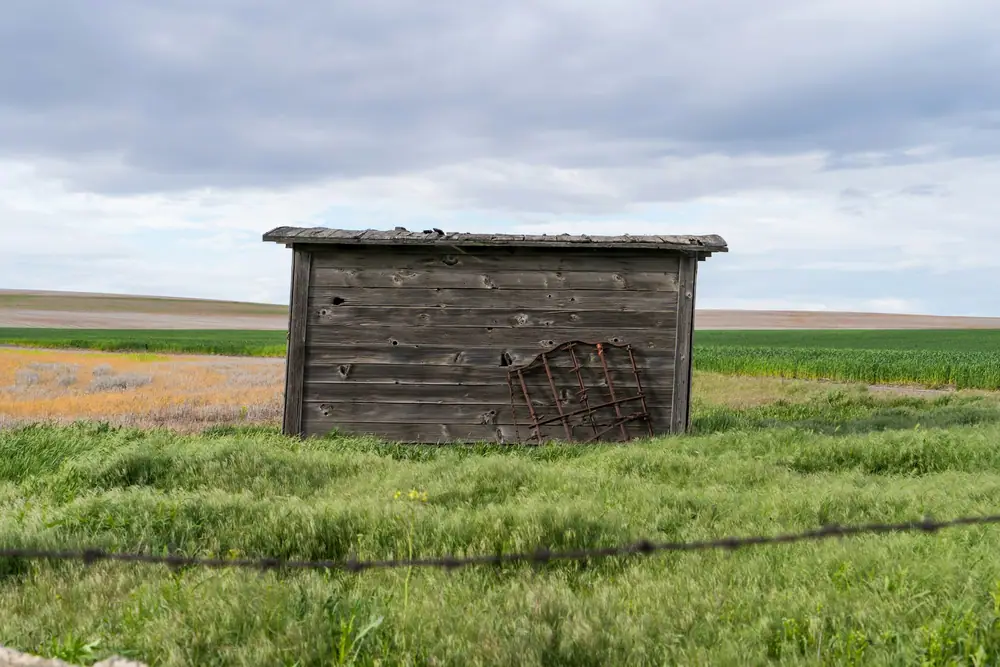
A shed is where a lot of outdoor gear ends up once the garage is full: camping chairs, coolers, lawn games, paddles, the kids' scooters and sometimes a small boat. It can be a great home for all of it, but sheds face tougher conditions than garages. Temperatures swing more, humidity collects, and mice are always looking for somewhere warm to nest.
This guide focuses on making a shed a good place for gear: getting things off the floor, managing moisture, fitting long items safely and keeping a clear path to the back.
Materials
Quantities below are a starting point for a typical space. Adjust them once you have laid your gear out and measured the wall or room.
| Item | Spec to look for | Qty | Notes |
|---|---|---|---|
| Wall rail or track system | Rated for outdoor/unheated use | 1–2 runs | Hooks for chairs, coolers, games bags |
| Open shelving | Galvanized or powder-coated steel | 1 unit | Resists rust better than bare steel |
| Long-item rack | Padded cradles or straps | 1 set | Paddles, kayaks, paddleboards, fishing rods |
| Lidded bins | Latching, rodent-resistant | 6–10 | Anything fabric or food-adjacent goes in a bin |
| Floor pallets or duckboard | Raised off the slab | As needed | Keeps bases away from standing moisture |
| Moisture absorbers | Refillable | 2–4 | Check and empty regularly |
| Vent covers or screens | Fine insect screen | As needed | Airflow without letting critters in |
| Battery lantern or motion light | Battery or solar | 1 | Safer access at dusk |
Layout tips
Think of the shed as a U. The back wall holds the things you use least, such as off-season bins and the long-item rack. The two side walls hold daily and weekly gear on rails and shelves. The middle stays clear as a walkway, at least wide enough to carry a cooler or folded chairs out without turning sideways.
Put nothing directly on the floor except items built for it, and even those sit on pallets or duckboards. Fabric gear, such as tents, hammocks and life vests, lives up high on shelves in latching bins, where it is better protected from damp and nesting animals. Metal and plastic items like coolers, chairs and games sets can hang on open hooks.
If a boat or paddleboard is going in, measure the diagonal of the door before you build anything. Long items should enter nose-first and rest on padded cradles along one wall, with straps to hold them still.
Step timeline
Empty and inspect
Take everything out. Look for leaks, gaps at the base, damp patches and signs of pests. Fix those first.
Improve airflow
Make sure vents are open and screened. A shed that can breathe stays drier than a sealed one.
Raise the floor
Lay pallets or duckboards where bins and bases will sit.
Mount wall systems
Fix rails and hooks to the shed frame, not just the siding. Use exterior-grade screws.
Install long-item cradles
Mount padded cradles on the back or longest wall and add straps.
Bin the soft goods
Pack fabric gear dry into latching bins on upper shelves. Add moisture absorbers.
Light and label
Add a simple light and label each wall section so gear goes back where it came from.
Options compared
| Option | Best for | Strengths | Watch-outs |
|---|---|---|---|
| Wall rail with hooks | Chairs, coolers, games | Keeps floor clear, adaptable | Must fix to framing |
| Galvanized shelving | Bins, tools, supplies | Rust resistant, adjustable | Anchor to the wall |
| Padded cradles | Kayaks, boards, paddles | Supports hulls evenly | Needs a long clear wall |
| Overhead loft | Very light, rarely used items | Uses roof space | Hard to reach; heat builds up under roofs |
| Deck box outside the shed | Pool toys, cushions | Frees shed space | Keep contents dry and ventilated |
Do and don't
Do
- Keep fabric gear in latching bins
- Raise everything off the slab
- Keep vents open and screened
- Leave a clear center aisle
Don't
- Store a damp tent or life vest
- Lean long boards on their tips
- Keep food or snacks in the shed
- Block the door with the item you use most
Checklist
Backyard Shed Gear Storage checklist
Shell
- Roof and walls checked for leaks
- Gaps at the base sealed
- Vents open and screened
- Floor raised where needed
Systems
- Rails fixed to framing
- Shelving anchored
- Long-item cradles and straps fitted
- Light installed
Gear
- Soft goods dry and binned
- Moisture absorbers placed
- Walls labeled
- Center aisle clear