Overview
Not having a garage does not mean giving up on gear. It just means everything needs to earn its place. In an apartment the goal is a small, dense system: a drop zone by the door for daily gear, one closet or corner for bulky items, and hidden storage under beds and on the backs of doors for the rest.
Renters also need solutions that do not damage walls. Most of what follows works without drilling, and where it does not, we point out a renter-friendly alternative.
Materials
Quantities below are a starting point for a typical space. Adjust them once you have laid your gear out and measured the wall or room.
| Item | Spec to look for | Qty | Notes |
|---|---|---|---|
| Entry bench with cubbies | Open slots or bins underneath | 1 | Shoes, cleats and daily bags |
| Wall hooks or rail | Adhesive (light items) or screw-mounted | 4–8 | Helmets, jackets, gym bags |
| Over-door organizer | Pocket or hook style | 1–2 | Gloves, balls, bottles, small gear |
| Closet shelf system | Tension-mounted or freestanding | 1 | No drilling needed |
| Under-bed crates | Low-profile, lidded or rolling | 2–4 | Off-season gear, climbing gear, yoga props |
| Freestanding bike stand | Gravity or lean rack | Optional | Holds 1–2 bikes without drilling |
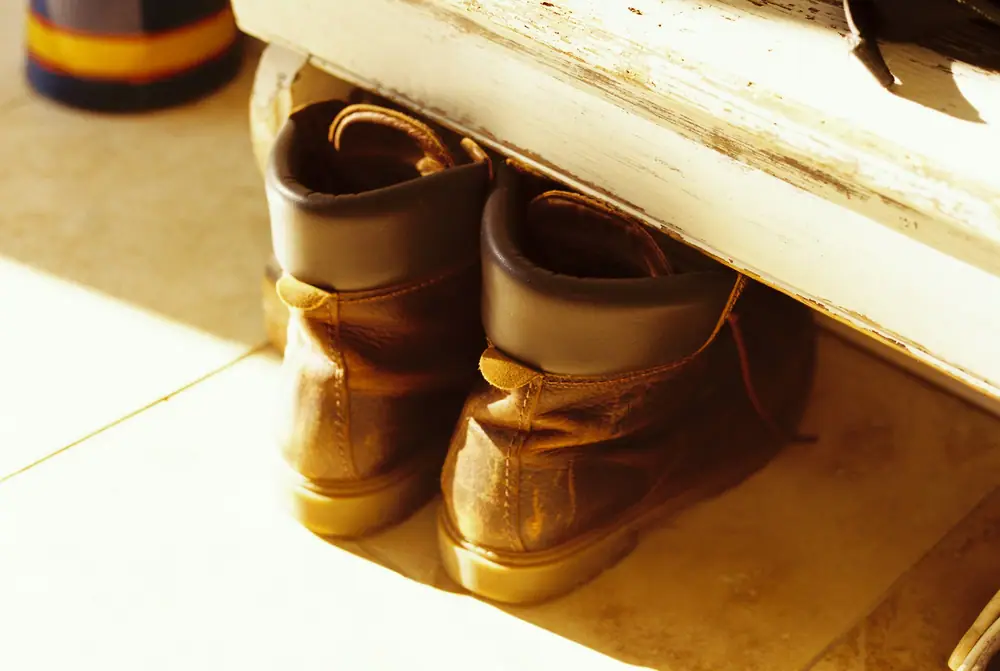
| Boot tray | Rubber, raised lip | 1 | Protects floors from wet and muddy footwear |
| Collapsible drying rack | Foldable | 1 | Dries wet layers before they go into a closet |
Layout tips
Map your space in three tiers. Tier one is the entry: anything you use several times a week, such as running shoes, a gym bag, a bike helmet or a yoga mat, lives within a step of the door. Tier two is a single closet or corner for weekly or bulky gear: a rolled sleeping pad, a climbing rope bag, a tennis bag. Tier three is hidden storage under the bed, on top of wardrobes and inside suitcases, for anything off-season.
Use vertical space before floor space. A tall shelf unit in a closet or a rail of hooks above a bench triples capacity without eating into the room. Keep wet and muddy gear in the entry on a boot tray until it is dry; bringing it straight into a closet is how apartments start to smell.
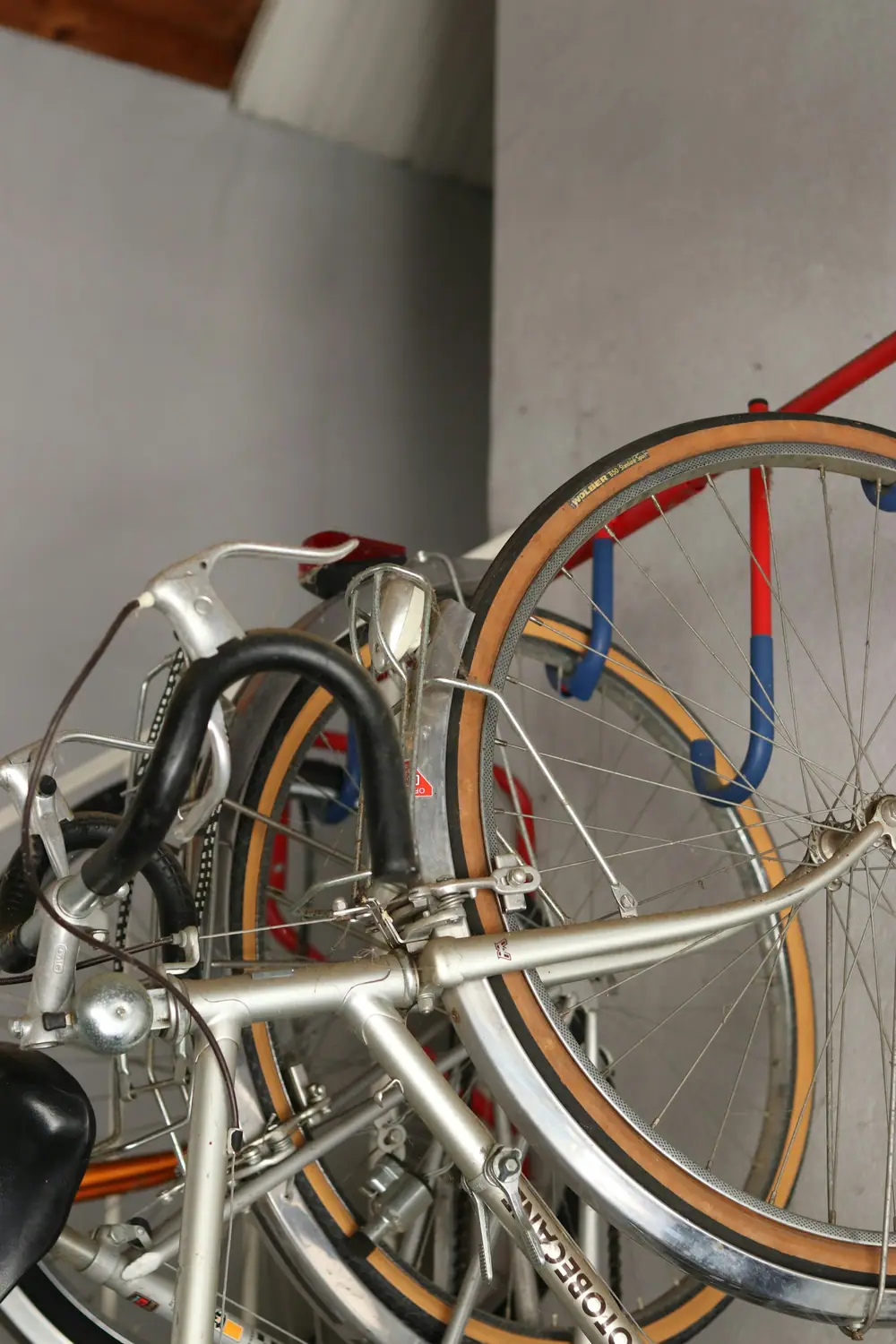
If you store a bike inside, choose a spot where the handlebars will not scrape walls and pedals will not catch passers-by. A freestanding rack in a corner or a tension pole system are both drill-free options.
Step timeline
List your gear
Write down every piece of sports and outdoor gear you own. Mark each as weekly, monthly or seasonal.
Edit hard
Space is limited, so keep one of each thing unless you truly need spares. Sell or donate the rest.
Build the entry drop zone
Place the bench, boot tray and hooks. Put weekly gear here.
Set up the closet
Add a tension or freestanding shelf system and move monthly and bulky gear in.
Fill under-bed crates
Pack seasonal gear, clean and dry, into labeled crates.
Place the bike
Set up a freestanding rack or lean spot with a wall protector.
Add the drying station
Keep a folding rack or a couple of hooks near a window or vent for wet layers.
Options compared
| Option | Best for | Strengths | Watch-outs |
|---|---|---|---|
| Entry bench with cubbies | Shoes, daily bags | Seat plus storage in one | Keep it from becoming a dumping ground |
| Adhesive hooks | Light items only | No drilling, renter-friendly | Check weight ratings; avoid on textured walls |
| Tension pole shelving | Closets, corners | No drilling, adjustable | Needs a solid ceiling and floor |
| Under-bed crates | Seasonal gear | Uses hidden space | Needs enough bed clearance |
| Gravity bike stand | 1–2 bikes | Freestanding, portable | Occupies a corner |
Do and don't
Do
- Sort gear by how often you use it
- Use vertical space first
- Dry wet gear before closing it away
- Choose renter-friendly fixings
Don't
- Store damp gear in a closet
- Exceed adhesive hook ratings
- Block exits or radiators with bikes and bags
- Keep duplicates you never use
Checklist
Small-Apartment Gear Storage checklist
Plan
- Gear list made
- Each item tagged weekly, monthly or seasonal
- Duplicates edited out
- Fixing method agreed with landlord if drilling
Set up
- Entry bench, tray and hooks in place
- Closet shelving installed
- Under-bed crates packed and labeled
- Bike spot protected
Routine
- Drying rack near airflow
- Weekly five-minute entry reset
- Seasonal swap scheduled
- Crate inventory kept on phone